
Common Home Extension Mistakes
15th August 2025- Blog
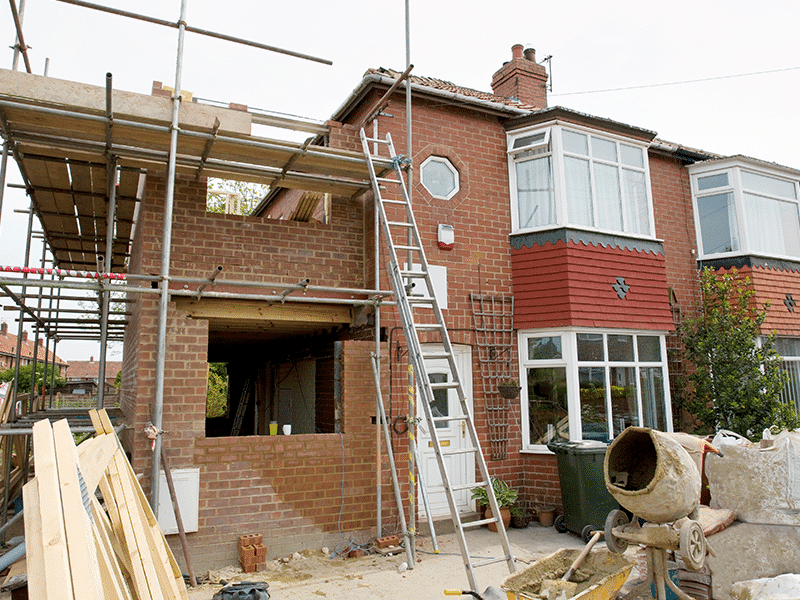
Thinking of extending your home? A well-planned extension can transform your living space—but without proper planning, it can become a costly and stressful project.
This is our expert guide on common mistakes to avoid when planning and building an extension to create your dream home.
1. Skipping Detailed Planning
One of the biggest early missteps is failing to draw up full, detailed plans. Every length, width, and depth should be accounted for so you can clearly communicate your expectations to your builder. The more precise the plan, the fewer surprises later.
Thorough plans also allow for:
More accurate quotes
Better scheduling
Fewer miscommunications on-site
Tip: Work with an architect or experienced designer early to bring clarity and accuracy to your vision.
2. Underestimating Costs and Budgeting
Being realistic about what you can afford from the outset is crucial. Even with accurate quotes, unexpected issues often crop up—so make sure you leave room in your budget for surprises.
Don’t:
Begin without a contingency fund (ideally 10–20%)
Pick a builder based on the lowest quote alone - this can often lead to a less than ideal outcome
3. Overlooking Planning Permission and Regulations
Not every extension falls under permitted development. Factors like previous additions, your location or the scale of your plans may require formal planning permission.
If you assume you don’t need approval—and you’re wrong—you could be forced to undo expensive work.
Always check with your local authority before starting. If you're unsure, consult a planning expert or architect.
4. Poor Scheduling
The time of year matters more than you might think. Bad weather, frozen ground, or material delays can cause major setbacks if not factored in.
If you're handling deliveries, overestimate delivery times to avoid bottlenecks.
Spring and early summer are ideal times to start.
Be realistic with your timeline—rushing leads to mistakes.
5. Forgetting the Bigger Picture
Think about how your extension connects to the rest of your home—both now and in the future.
Questions to ask:
Will it improve the flow between rooms?
Will it affect how other rooms function?
Will it still meet your needs in five or ten years?
Also, consider how the building process itself will impact your day-to-day life. Reduced privacy, temperature fluctuations, increased noise and limited access to parts of your home are common challenges during construction. Planning for how you’ll manage these disruptions—especially if you're living on-site—can make the experience far less stressful.
Keep your long-term vision in mind at every stage of the project. Small decisions add up.
In Summary
Avoiding these common mistakes will help you build an extension that enhances your home—not one that drains your time and budget.