
Are Solar Panels Still A Good Investment In 2026?
23rd April 2026- Area: Cheltenham
- Area: Gloucester
- Area: Stroud
- Area: Worcester
- Blog
- Home Tips
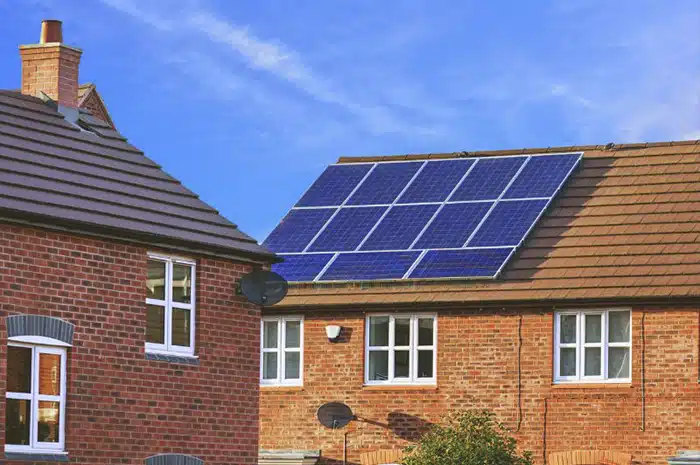
Solar panels remain a popular investment in the UK, but are they still worth it in 2026? With rising energy costs, government grants and improved technology, many homeowners are seeing long-term savings, but the value depends on your property and energy usage.
Is Your Home Suitable for Solar Panels in the UK?
Factors such as roof orientation, shading, structural integrity and available space all influence whether your home is suitable. A south-facing roof will generate the most solar energy throughout the day, while a strong, well-constructed roof is essential to safely support the installation.
Before making this investment, we recommend seeking professional advice to confirm your home’s suitability.
How Much Can Solar Panels Save on Energy Bills in 2026?
According to estimates from the Federation of Master Builders, the annual energy bill for the average three-bedroom home in the East Midlands is £1,035 per year. With the recommended 4.5kW solar system and a 2.5kW battery, this price dropped to £247 per year.
This installation would cost approximately £9,800, which means this household would break even in 13 years before beginning to make money. They break down the finer details on their website, from outgoing costs to predicted earnings.
While this is a large upfront investment, there are plenty of solar panel grants and schemes that are aimed at making renewable energy accessible to more households.
What Solar Panel Grants Are Available In 2026?
If you’re concerned about the upfront cost of installing solar panels, the UK government’s Warm Homes: Local Grant has increased the availability of energy efficiency funding. Several schemes now support solar panel installation, with six currently accessible to homeowners in Gloucestershire and Worcestershire.
| Grant: | Available To: | Funding: | Timeline: | Requirements: |
|---|---|---|---|---|
| Energy Company Obligation 4 (ECO4) and LA Flex | Low income households in receipt of various benefits such as Universal Credit | Up to 100% of the cost of solar panel installation | April 2022 to December 2026 | An EPC rating of E–G |
| Solar Together | Open to all | Save 30-35% on the average cost of a solar system | Closing dates vary depending on local authorities | Not applicable |
| Warm Homes: Local Grant | Low-income tenants or homeowners, recipients of means-tested benefits | Up to £30,000 towards home energy improvements including solar panel installations | April 2025 – April 2029 | An EPC rating of D - G |
| Warm Homes Fund | Low-income tenants or homeowners, recipients of means-tested benefits | Low and 0 interest loans to cover the cost of solar panels and batteries | TBC | Not applicable |
| Smart Export Guarantee (SEG) | Open to owners of solar systems up to 5MW | 20 to 40 pence per kWh from energy suppliers | Ongoing | Not applicable |
| 0% VAT on solar panel installations in residential properties | Open to all | Save around £1,900 on a 4.5kW system | April 1st 2022 to April 1st 2027 | Not applicable |
Grants like these don’t only allow more homeowners to reduce their energy costs but can also help improve your EPC rating, which may make you eligible for green mortgages.
What Is A Green Mortgage?
Requiring an energy rating of either an A or a B, a green mortgage offers lower interest rates or even cashback opportunities. Speak to one of the MAB Mortgage Advisers based in our branches and see your options today.
Common Misconceptions About Solar Panels
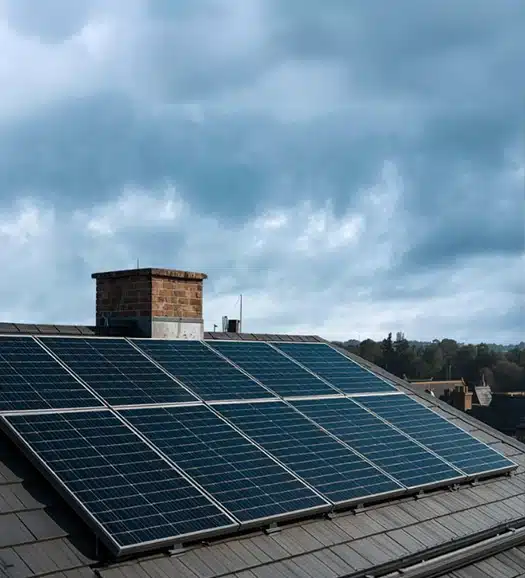
They don't work in cloudy/cold weather.
Panels use daylight, not just direct sun. They can even perform better in cooler temperatures than in extreme heat, which reduces efficiency.
You need a south-facing roof.
While optimal, east- and west-facing roofs are still highly effective, allowing you to maximize energy generation during morning or afternoon usage.
You will be “off-grid"
Most systems are "grid-tied," meaning you still use the grid for power at night or when usage is high, but you can feed excess energy back into it.
They require high maintenance
Solar panels only require simple cleaning once a year to remove dust, with rain doing quite a lot to clean them. The typical lifespan of a solar panel is 25 years.