
Tenants Guide: How to Get Your Full Deposit Back When You Move Out
13th August 2026- Tenants

Getting your deposit back in full at the end of a tenancy is largely about preparation.
Most disputes come down to disagreements over cleaning, damage versus fair wear and tear, or unpaid rent — all of which are avoidable with a bit of planning. Here's how to give yourself the best chance of a full refund.
Start with Your Check-In Inventory
Your best evidence is whatever was recorded when you moved in.
When moving in, you should be provided with a check-in inventory report, it is crucial that you discuss and document, in writing, any disagreements or missed items within 7 days of moving in.
Once it comes time to move out, dig out your original check-in inventory and photos and compare them against the property's current condition — this is exactly what will happen at check-out, so it pays to look first.
- Locate your original inventory report and any move-in photos or videos
- Note anything that was already damaged, worn or missing when you moved in
- If you never received an inventory, take thorough photos now, before you start cleaning or moving furniture
If you are a tenant of one of our managed properties, contact our property management team who will be happy to provide you with a copy of the original inventory.
Understand Fair Wear and Tear
You're not responsible for reasonable wear and tear — the natural, gradual deterioration that happens through normal daily use, such as slightly faded carpet in high-traffic areas or minor scuffs on walls.
However, you are responsible for damage beyond that, such as stains, burns, holes, or breakages. Knowing the difference helps you focus your effort where it actually matters.
Clean Thoroughly, Room by Room
- Kitchen: clean inside the oven, hob, extractor fan, fridge and cupboards, not just visible surfaces
- Bathroom: remove limescale, mould and any staining from grout
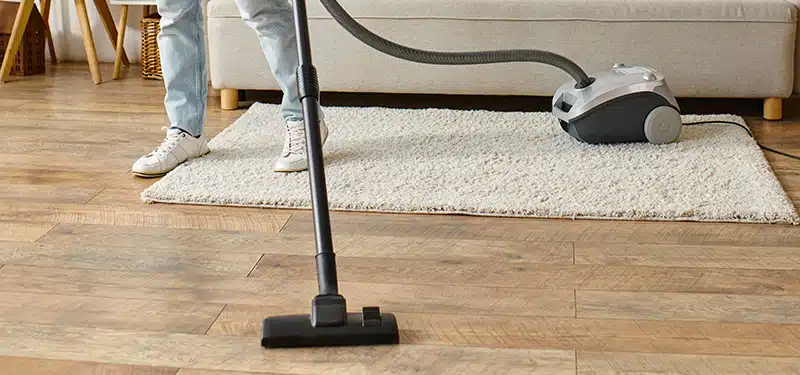
- Carpets and flooring: vacuum thoroughly, and consider professional cleaning if your tenancy agreement requires it or the carpets were professionally cleaned before you moved in
- Windows: clean inside and out where accessible
- Don't forget skirting boards, light fittings and inside wardrobes and drawers
- If your tenancy agreement specifically requires professional cleaning, keep the receipt — it's good evidence you met that
Deal with Repairs Before You Leave
- Fill small nail or screw holes and touch up paint if you've hung pictures or shelves
- Replace any blown light bulbs
- Report — and where appropriate, fix — anything you're responsible for under your tenancy agreement
- If in doubt, don't attempt the repair yourself — a poor repair can cost more to put right than the original damage.
If you aren’t very DIY and renting a managed property, you’ll have access to FixFlo. This system provides pop-up advice and guidance that can help you resolve minor issues yourself.
Document Everything Before You Leave
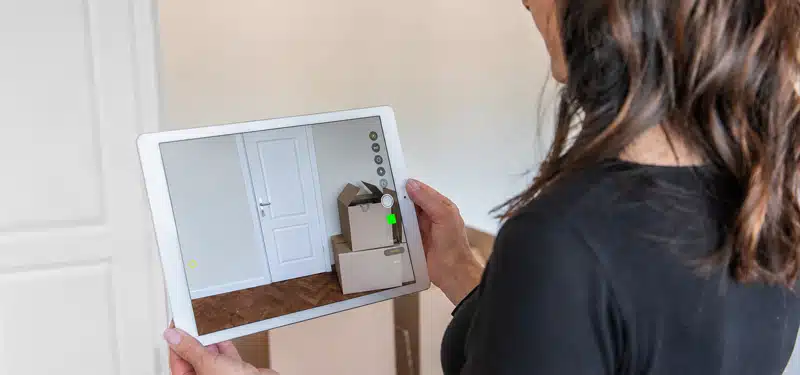
Take dated, well-lit photos and videos of every room once cleaning is finished and your belongings are out. This is your evidence if there's ever a disagreement about the property's condition after you’ve left.
If a Dispute Does Arise
Most deposits are protected in a government-approved scheme, which offers a free dispute resolution service if you and your landlord can't agree on deductions.
Your check-in inventory, photos and any correspondence about the property's condition will be the key evidence — which is exactly why gathering it early matters so much.
- Respond to any proposed deductions in writing, with your evidence attached
- Use the deposit scheme's free dispute service rather than accepting an unfair deduction
- Keep all communication with your landlord or agent in writing where possible
The Simple Version
Most deposits are protected in a government-approved scheme, which offers a free dispute resolution service if you and your landlord can't agree on deductions.
Your check-in inventory, photos and any correspondence about the property's condition will be the key evidence — which is exactly why gathering it early matters so much.
- Compare against your check-in inventory before you start
- Clean thoroughly, including the easily forgotten spots
- Fix small things you're responsible for
- Photograph everything before you hand back the keys
Moving out of a rental property we manage in Gloucester, Cheltenham, Stroud or Worcester? Our lettings teams are happy to talk through what to expect at check-out and how to make the process as smooth as possible.